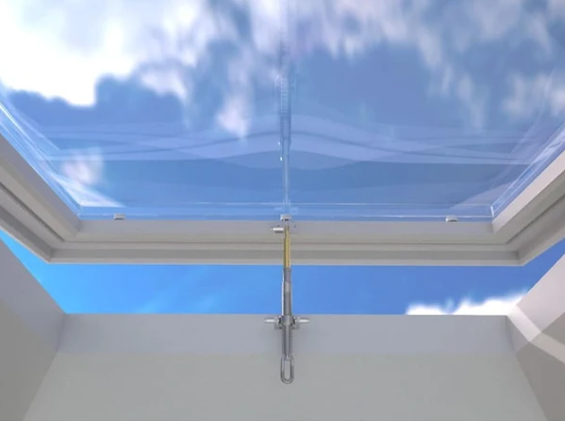
Natural light can change how a room looks, feels, and functions throughout the day. Dark kitchens, enclosed extensions, and rooms beneath flat roofs often struggle to receive enough daylight through traditional windows alone. Adding roof glazing offers another way to brighten these spaces, and polycarbonate rooflights are one option worth considering for projects where weight, light transmission, and practical installation requirements matter.
Choosing the right roof glazing involves more than selecting a transparent panel. Homeowners and property developers need to consider the roof structure, thermal performance, weather resistance, maintenance, and the amount of daylight the room requires. A well-planned installation can improve the usability of an existing space without requiring a complete redesign of the property.
Why Roof Glazing Makes a Noticeable Difference
Windows positioned along external walls bring daylight into a room from the side. Roof glazing introduces light from above, helping illuminate areas that conventional windows may not reach effectively.
This can be particularly useful in single-storey extensions, kitchens positioned beneath flat roofs, hallways, utility rooms, and converted living spaces. A suitable rooflight can reduce the reliance on artificial lighting during daylight hours, although the actual savings depend on the room layout, weather, orientation, and household lighting habits.
Natural light can also make smaller rooms feel more open. In a kitchen extension, for example, a rooflight above a dining area can create a brighter setting without taking up valuable wall space needed for cabinets or furniture.
The result depends on thoughtful positioning. A rooflight placed directly above a frequently used area may provide more practical value than one installed where its light is blocked by tall furniture or nearby structures.
See also: What This Sequence Means for Your Life 621147240
What Makes Polycarbonate a Practical Material?
Polycarbonate is a lightweight thermoplastic used in several building applications, including roofing panels and glazing systems. Its impact resistance and relatively low weight make it useful for certain residential, commercial, and conservatory-style structures.
Compared with some heavier glazing materials, polycarbonate can place less additional load on a roof structure. This may be beneficial for projects where structural weight is a consideration, although the existing roof must still be assessed for the complete installation.
The material is available in different forms, including clear, tinted, and multiwall sheets. Each type offers different characteristics. Clear panels generally allow more direct light through, while tinted or diffused options may help manage glare and the quality of incoming daylight.
However, the performance of a finished rooflight depends on the entire system rather than the sheet alone. Frame design, seals, installation details, drainage, and the number of glazing layers all influence how the product performs once fitted.
Choosing Between Different Rooflight Materials
Polycarbonate is not the only option available. Glass rooflights are widely used in contemporary homes because they can offer clear views of the sky and a refined architectural appearance. Multiwall polycarbonate panels may be preferred for projects where low weight and impact resistance are priorities.
The right choice depends on the intended use of the room, the available budget, and the required thermal and acoustic performance.
For example, a utility area or covered outdoor space may have different requirements from a year-round kitchen extension. A living space that needs consistent indoor temperatures may benefit from a system with clearly documented insulation performance.
| Feature | Polycarbonate glazing | Glass glazing |
| Weight | Generally lightweight | Usually heavier, depending on specification |
| Impact resistance | Often offers strong impact resistance | Depends on the glass type and construction |
| Appearance | Available in clear, tinted, and diffused finishes | Offers clear views and varied finishes |
| Thermal performance | Depends on sheet construction and system design | Depends on glazing layers, coatings, and frame |
| Maintenance | Requires suitable cleaning methods | Requires suitable cleaning methods |
| Best selection criteria | Weight, durability, and project requirements | Appearance, visibility, and specified performance |
Neither material is automatically suitable for every roof. Product specifications should be compared before making a decision.
Plan for Heat, Glare, and Insulation
More daylight can improve a room, but excessive solar gain may make it uncomfortable during warmer months. Roof glazing receives direct sunlight depending on its orientation, slope, surrounding buildings, and local climate.
A south-facing or west-facing rooflight may receive substantial sunlight during certain periods of the day. Tinted panels, diffusing finishes, external shading, or appropriately designed glazing systems can help manage unwanted heat and glare.
Insulation deserves equal attention. A rooflight that performs poorly in cold weather can contribute to heat loss and condensation. Look for documented thermal performance for the complete product, including the frame and glazing assembly, rather than relying on the material name alone.
The surrounding roof insulation and the quality of the installation also matter. Poorly sealed joints can allow moisture or draughts to develop, reducing comfort and potentially damaging nearby finishes.
Where Rooflights Work Particularly Well
Kitchen extensions are among the spaces that can benefit from roof glazing because cupboards and appliances often limit the available wall area for windows. A rooflight above a central island or dining table can distribute daylight across the room.
Bathrooms may benefit from overhead daylight while retaining privacy from neighbouring properties. Suitable glazing and ventilation arrangements should be selected according to the room’s moisture levels and building requirements.
In home offices, roof glazing can provide useful daylight without occupying wall space needed for storage or desks. Glare on computer screens should be considered during planning, especially in rooms that receive direct afternoon sunlight.
Commercial settings, including workshops, covered walkways, and selected retail spaces, may also use lightweight roof glazing where the product meets the relevant structural, fire, and building regulations.
Skylights Roof Lanterns provides a relevant point of reference for homeowners and property professionals comparing roof glazing styles and configurations. The specifications of each proposed product should be reviewed carefully to ensure that the chosen system suits the building and its intended use.
Installation Details That Should Not Be Overlooked
Even a well-made rooflight can underperform if it is installed incorrectly. Before work begins, the roof structure should be checked to confirm that it can accommodate the opening and support the selected system.
Waterproofing is particularly important. Flashings, perimeter seals, and drainage details must be appropriate for the roof covering and its slope. Water should drain away from the opening rather than collect around the frame.
Building regulations may apply to structural alterations, energy efficiency, ventilation, and other aspects of the installation. Requirements vary by location, so a qualified installer or relevant building professional should confirm which rules apply.
Cleaning and maintenance should also be considered before purchase. Abrasive cleaners or unsuitable chemicals can damage certain plastic glazing surfaces. Follow the manufacturer’s instructions, inspect seals periodically, and remove debris that could obstruct drainage channels.
Make Daylight Part of the Design
Roof glazing works best when it is planned around the way a room is used. The right size, position, material, and glazing specification can help create a brighter interior while maintaining comfort and protecting the roof against the weather.
Before choosing a product, compare documented performance, installation requirements, maintenance guidance, and compatibility with the existing structure. Contact us to discuss your roof glazing requirements and explore suitable options for your project.
A carefully selected rooflight can make an existing room more pleasant to use without changing its entire layout. The most successful choice is one that balances daylight, energy performance, durability, and the practical needs of the building.