Art is more than decoration. It is something that changes how we feel inside a space. A room can feel calm, warm, or even stressful depending on what we see around us. One of the most powerful ways to shape this feeling is through wall design.
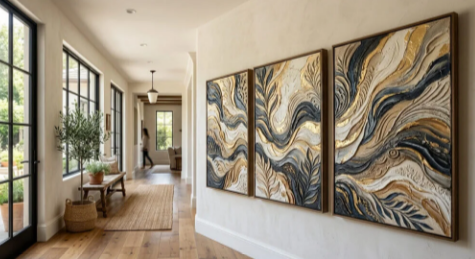
The Emotional Impact of Textured Wall Art is becoming more important in modern homes. This type of art adds depth, movement, and life to plain walls. It is not flat like printed posters. It has layers that interact with light and shadow. This creates a stronger emotional connection for people who see it.
When someone enters a room with textured art, they often feel something right away. It can feel grounding, peaceful, or even inspiring. The effect is subtle but very real.
Why Texture Creates a Strong Emotional Connection
Texture is something our eyes naturally respond to. We see it in nature every day. Tree bark, stone walls, sand, and fabric all have texture. These surfaces help our brain understand depth and meaning.
When art uses texture, it copies this natural feeling. It becomes more human and more real. This is why people feel connected to it quickly.
Many modern designers use Black Textured Wall Art to create emotional depth in simple interiors. The dark tones combined with raised surfaces make a room feel strong and calm at the same time.
Texture creates emotion in simple ways:
- Rough surfaces feel natural and honest
- Soft curves feel calm and gentle
- Deep layers feel thoughtful and rich
- Light and shadow create movement
- Hand-made marks feel personal
Because of this, textured art is often used in homes where people want comfort, not noise. It speaks quietly but deeply.
How Textured Art Changes Room Atmosphere
A room without texture can feel flat. Even if the colors are nice, something may feel missing. Textured art solves this problem by adding depth.
When light hits textured surfaces, it creates shadows. These shadows move during the day. Morning light feels soft. Afternoon light feels bright. Evening light feels warm and deep. This makes the artwork feel alive.
Texture also changes how large or small a room feels. A flat wall can feel empty. A textured wall feels full without adding clutter.
This is why designers often focus on balance. Too many objects create stress. Too few create emptiness. Textured art sits in the middle.
It helps rooms feel:
- More balanced
- More welcoming
- More natural
- More complete
- More peaceful
Another important idea in textured art is the acceptance of natural flaws. Not every line is perfect. Not every surface is smooth. This connects to the idea of Imperfection in Art, where beauty is found in natural marks and uneven details.
These small imperfections make the artwork feel human. That human touch is what creates emotional warmth.
The Role of Textured Art in Modern Homes
Modern homes often focus on clean lines, simple colors, and open space. While this looks nice, it can sometimes feel too plain. Textured wall art helps bring life into these spaces.
It does not need bright colors or complex designs. Its depth is enough to attract attention. It becomes a quiet center point in the room.
Common materials used in textured art include:
- Plaster
- Acrylic layers
- Mixed media
- Sand-based paint
- Hand-applied strokes
- Natural pigments
Each material creates a different feeling. Plaster feels soft and natural. Thick paint feels expressive. Layered surfaces feel rich and detailed.
In modern design, textured art is often placed in key areas such as above sofas, beds, or dining tables. These spots help the art become a visual anchor for the room.
Lighting also plays a big role. Soft warm lights highlight texture better than harsh white lights. This creates a calm evening mood.
Textured art works well in:
- Living rooms
- Bedrooms
- Office spaces
- Hallways
- Entry areas
It fits almost any modern interior style because it is simple but powerful.
Why People Feel Emotionally Connected to Textured Art
People connect with textured art because it feels real. It reminds us of natural surfaces we see in everyday life. Stone, wood, sand, and clay all have texture. These materials feel familiar and safe.
When we see similar patterns in art, our brain responds with comfort. It does not feel artificial. It feels honest.
Handmade texture also adds emotional value. You can often see the movement of the artist’s hand. This shows effort and time. It makes the artwork feel alive.
People choose textured art because:
- It creates calm feelings
- It reduces visual stress
- It feels natural and human
- It adds depth without clutter
- It fits many interior styles
Unlike printed images, textured art changes with light and angle. This keeps the space interesting over time.
It is not just decoration. It becomes part of how a home feels emotionally.
See also: Tiny Treasures, Big Stories: The Lasting Allure of Personalized Keychains
FAQ
What is textured wall art?
Textured wall art is artwork that has a raised surface. It uses materials like plaster, paint, or mixed media to create depth and shape.
Why does textured art feel emotional?
It reacts to light, shadow, and touch-like visuals. This creates depth, which makes the art feel more real and meaningful.
Is textured wall art good for modern homes?
Yes. It fits modern homes very well because it adds depth without making the space feel crowded or busy.
Where should textured art be placed?
It works well above sofas, beds, and entry walls. It can also be used in offices to create a calm environment.
Does textured art need special care?
No. It only needs light dusting. Avoid water or strong chemicals to protect the surface.
Conclusion
The Emotional Impact of Textured Wall Art comes from its ability to connect design with feeling. It is not just something you see. It is something you experience.
Texture adds depth, movement, and warmth to any space. It changes with light and creates a natural rhythm inside a room. It also brings human touch into modern interiors.
This makes textured art more than decoration. It becomes a quiet emotional presence in the home. It helps spaces feel balanced, calm, and meaningful.
In the end, textured wall art is about feeling, not just appearance. It turns simple walls into emotional experiences that stay with you every day.