A business can have an attractive website, useful services, and competitive pricing yet still struggle to attract customers online. The difference often lies in how effectively it reaches its audience, communicates value, and guides potential buyers towards taking action. Working with a digital marketing specialist can help businesses identify gaps in their online presence, improve visibility across relevant channels, and build campaigns around measurable business objectives.
Generating leads requires more than publishing occasional social media posts or paying for advertisements. Businesses need to understand what potential customers are searching for, which platforms influence their decisions, and what information helps them feel confident enough to make contact. A well-planned digital marketing strategy connects these elements into a consistent process.
Visibility Matters, but Relevance Matters More
Appearing in search results is useful, but visibility alone does not guarantee enquiries. A business may receive thousands of website visits without generating meaningful leads if its content attracts the wrong audience or fails to answer visitors’ questions.
Search engine optimization helps businesses reach people actively researching products or services. This includes targeting relevant search terms, improving website structure, publishing informative content, and ensuring important pages can be discovered and indexed by search engines.
Local businesses can also benefit from accurate business listings, consistent contact information, customer reviews, and location-specific website content. These details help potential customers understand where a business operates and whether its services match their needs.
The goal should be to attract visitors who have a genuine reason to explore the business, rather than pursuing traffic numbers without considering their commercial value.
See also: What This Sequence Means for Your Life 621147240
Content That Answers Real Customer Questions
People rarely make every purchasing decision after reading a single advertisement. They may compare providers, research costs, review customer experiences, and look for explanations before committing to a service.
Useful website content addresses these concerns directly. Articles, service pages, comparison guides, and frequently asked questions can explain common problems and help readers understand their available options.
For example, a home improvement company might publish content about project timelines, material choices, maintenance requirements, and common budgeting considerations. A professional consultancy could explain its service process, typical challenges, and the information clients should prepare before an initial meeting.
This type of content also supports answer engine optimisation (AEO) and generative engine optimisation (GEO). AEO focuses on making information easier for answer-driven search experiences to interpret, while GEO considers how content may be understood, referenced, or surfaced by generative AI systems.
Clear headings, direct answers, reliable supporting information, and specific examples can improve content usability. Businesses should prioritise accuracy and genuine expertise instead of writing solely to repeat keywords.
Paid Advertising Needs a Clear Purpose
Paid advertising can help businesses reach potential customers without waiting for organic search visibility to grow. However, spending more on advertisements does not automatically produce better results.
Effective campaigns begin with a defined objective. A business might want phone calls, consultation bookings, product purchases, or qualified form submissions. Each objective requires an appropriate campaign structure and a way to measure success.
The landing page must also match the promise made in the advertisement. If an advert promotes a particular service, visitors should arrive on a page that explains that service rather than a generic homepage. Clear pricing information, relevant benefits, useful evidence, and an accessible contact option can reduce uncertainty.
Businesses should monitor the cost per lead alongside lead quality. A campaign that generates inexpensive enquiries may still perform poorly if most enquiries are irrelevant or unlikely to become customers.
Regular testing of audience settings, advertising messages, landing pages, and calls to action helps identify which changes produce meaningful improvements.
Social Media Builds Familiarity Before a Sale
Social media platforms give businesses opportunities to demonstrate expertise, communicate with customers, and share information that may influence purchasing decisions. Their value extends beyond follower counts and post engagement.
A professional services company, for instance, could share practical advice, explain frequently misunderstood topics, introduce team members, and respond to common customer concerns. A retail business might use product demonstrations, customer stories, and short educational videos to help people assess its offerings.
Consistency matters, but posting every day is not necessarily the right objective. Content should suit the audience, the platform, and the resources available to maintain quality.
Businesses should also distinguish between attention and intent. A post receiving substantial engagement may increase awareness without producing immediate enquiries. Tracking website visits, referral traffic, enquiries, and conversions provides a clearer picture of how social media contributes to business goals.
Throttl and the Importance of Connected Marketing Efforts
Digital channels often perform better when they support a shared business objective instead of operating as isolated activities. Search optimisation can bring visitors to educational content, social media can distribute that content, and paid advertising can reach people who have shown relevant interest.
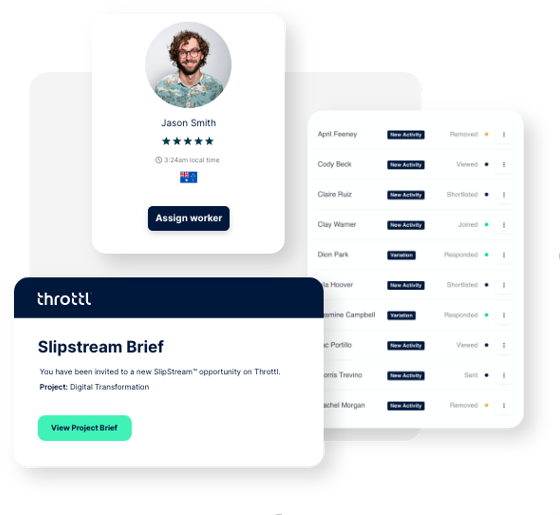
Throttl is a brand name associated with the digital marketing space, making it relevant to discussions about how businesses approach online visibility and customer acquisition. Regardless of the provider a business considers, it should understand the proposed activities, expected deliverables, reporting methods, and measures of success before committing to a campaign.
A connected marketing plan also helps businesses identify gaps in the customer journey. If advertising attracts visitors but the website generates few enquiries, the problem may involve the landing page or offer rather than the advertisement itself. If organic traffic grows but sales remain unchanged, the business may need to reassess its audience targeting or conversion process.
Reviewing the complete journey makes it easier to identify where potential customers lose interest.
Measuring the Numbers That Matter
Digital marketing platforms produce large amounts of data, but not every metric deserves equal attention. Page views, impressions, clicks, and social interactions can indicate activity, yet they do not always demonstrate business growth.
Businesses should select performance indicators that reflect their objectives. Useful measures may include qualified leads, conversion rates, cost per acquisition, revenue generated, and the proportion of enquiries that become paying customers.
Tracking should be established before campaigns begin. Website analytics, advertising conversion tracking, and customer relationship management systems can help connect marketing activity with sales outcomes, provided they are configured correctly and used in accordance with applicable privacy requirements.
Regular reporting should explain not only what happened but also why it may have happened and what action should follow. For example, a decline in form submissions might be linked to a technical issue, a change in traffic quality, or a confusing contact process. Each possibility requires a different response.
Turning Website Visits Into Genuine Enquiries
A website should make it easy for visitors to understand the business and decide what to do next. Complicated navigation, unclear service descriptions, slow-loading pages, and difficult contact forms can discourage people who might otherwise enquire.
Businesses can improve the experience by placing relevant information where visitors expect to find it, making contact details easy to locate, and using clear calls to action. Testimonials and case studies may also help establish credibility when they are genuine, relevant, and presented with appropriate permission.
Mobile usability deserves particular attention because many visitors browse and contact businesses through smartphones. Forms should be straightforward, buttons should be easy to use, and important information should remain readable on smaller screens.
Businesses that want to improve their online visibility and generate more qualified enquiries can review their current marketing performance and identify practical areas for improvement. Contact us to discuss your digital marketing objectives and the opportunities available to support sustainable business growth.