In the dynamic world of event planning, staying ahead of design trends is crucial for creating memorable experiences. For clients of the Iconic Event Agency, understanding these trends can transform ordinary gatherings into extraordinary events. This guide delves into the emerging trends in event design, offering insights into how these can enhance your next event. From innovative themes to sustainable practices, and technology integration, we explore the elements that are redefining the event landscape today.
Event Design Trends Shaping the Future of Experiences
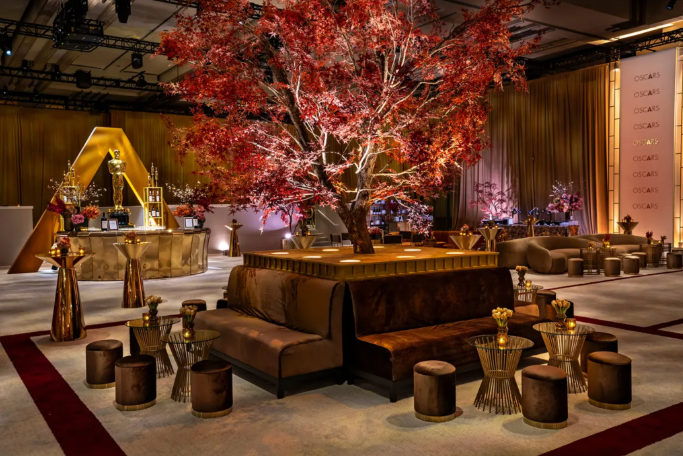
One of the most significant shifts in event design is the focus on immersive experiences. This involves creating environments that engage attendees on multiple sensory levels. By using Immersive Experience Design, event planners can craft spaces that captivate audiences, making them active participants rather than passive observers. This approach often incorporates elements like interactive installations and thematic environments that align with the event’s overall narrative.
Another trend is the emphasis on the Attendee Journey Mapping. This process involves understanding and designing the attendee’s experience from the moment they receive an invitation to post-event follow-ups. By focusing on the attendee journey, planners can ensure every touchpoint adds value, enhancing engagement and satisfaction.
Furthermore, the rise of Experiential Marketing Campaigns has transformed how brands connect with their audience during events. These campaigns are designed to create memorable interactions that leave a lasting impression, effectively boosting brand recognition and loyalty.
Innovative Themes Transforming Event Spaces
Themed events are not new, but the level of creativity and innovation applied to them is continuously evolving. Themes that resonate with current cultural trends or brand messages can significantly enhance the event’s impact. For example, Activation Space Design allows planners to create specific areas dedicated to interactive brand experiences, offering attendees a unique blend of entertainment and information.
Brand Ambassador Programs play a vital role in these themed events. By leveraging individuals who can authentically represent the brand, events can achieve a more personal and relatable connection with attendees. These ambassadors can guide guests through themed experiences, ensuring the brand’s message is effectively communicated.
Additionally, the Venue Load-In Schedule is becoming more strategic, allowing for complex setups and detailed theming that require precision timing and coordination. This meticulous planning ensures that every thematic element is perfectly executed, contributing to a seamless event experience.
Sustainable Practices in Modern Event Design
Sustainability is no longer an option but a necessity in event planning. Modern events are increasingly adopting sustainable practices to minimize their environmental impact. This includes using eco-friendly materials and reducing waste wherever possible.
Event planners are also focusing on Audience Segmentation Matrix to tailor sustainability efforts to different segments of the audience, ensuring that the message of sustainability resonates with all attendees. By understanding the diverse preferences and values of the audience, planners can create more effective and inclusive sustainability strategies.
Moreover, Post-Event Analytics Dashboards are utilized to measure the success of sustainable initiatives. These tools help planners assess the environmental impact of events and make data-driven decisions for future improvements. This analytical approach not only supports sustainability goals but also enhances Event ROI Calculation, demonstrating the tangible benefits of sustainable practices.
Technology Integration for Immersive Experiences
Technology is a cornerstone of modern event design, offering endless possibilities for creating immersive experiences. Mobile Event App Integration is one such innovation, providing attendees with real-time information, personalized schedules, and interactive features that enhance engagement and convenience.
On-site Audience Engagement Tools are also being increasingly adopted to facilitate interaction and participation. From live polls to augmented reality experiences, these tools enable attendees to actively engage with the event content, fostering a deeper connection with the brand.
Furthermore, the use of Event Ticketing API streamlines the registration process, offering a seamless experience from ticket purchase to event entry. This technology not only improves operational efficiency but also enhances the overall attendee experience by reducing wait times and simplifying access.
Conclusion
Understanding and embracing these event design trends can significantly elevate the quality and impact of your events. From immersive themes and sustainable practices to cutting-edge technology, the possibilities are vast and exciting. For clients of Iconic Event Agency, these trends offer a roadmap to crafting unforgettable experiences that resonate with audiences and achieve strategic objectives. As the event landscape continues to evolve, staying informed and adaptable will ensure your events remain at the forefront of innovation.