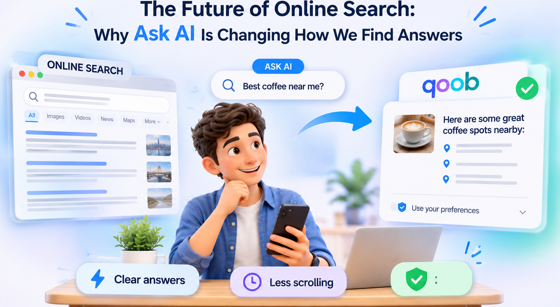
The way people search for information online is changing. For years, traditional search engines have helped users find websites, articles, product pages, and other resources by entering a few keywords. However, finding the right answer often requires opening multiple links, reading lengthy content, and comparing information from different sources.
Today, artificial intelligence is introducing a simpler way to search. Instead of searching with short keywords and browsing through pages of results, people can ask complete questions and receive direct, easy-to-understand answers.
This is why more people are exploring the Ask AI approach to finding information. AI-powered search tools are making online research more conversational, convenient, and focused on individual needs. From planning a holiday to comparing products or finding a quick recipe, asking AI can help users reach useful information with less effort.
What Does Ask AI Mean?
Ask AI refers to using artificial intelligence tools to ask questions in everyday language and receive relevant answers. Rather than entering disconnected keywords, users can explain what they want to know in a natural way.
For example, instead of searching for “best weekend destinations”, you could ask, “Where can I go for a relaxing weekend trip within a reasonable budget?”
An AI-powered search tool can interpret the question, understand the main requirements, and provide a response that addresses the user’s needs.
The experience is designed to make finding information feel more like having a conversation than using a traditional search box.
How Is AI Changing the Way We Search Online?
Traditional search engines generally present a collection of links related to a query. Users then decide which websites to visit, which information to trust, and how to combine the details they find.
AI-powered search introduces a different approach. It aims to understand the meaning behind a question and provide a more direct response.
From Keywords to Natural Conversations
One major change is the move away from short keyword searches.
People can now ask questions in complete sentences without having to think about the perfect search phrase. This makes online searching more accessible, especially for users who are unfamiliar with advanced search techniques.
For example, you can ask:
- What are some affordable meals I can prepare at home?
- Which features should I compare before buying a laptop?
- What should I consider when planning a family holiday?
This natural approach makes it easier to explain what you actually need.
See also: Cedar or Heat-Treated Hemlock: Choosing Wood for a Cold Plunge on a Budget
From Long Search Results to Direct Answers
Traditional searches can produce hundreds of results, even when the question is relatively simple. Users must spend time opening pages and finding the relevant information.
AI search tools aim to reduce this effort by presenting information in a concise format. Instead of making users search through several resources immediately, they provide an answer that helps them understand the topic and decide what to do next.
This does not mean traditional search results are no longer useful. Detailed research still benefits from exploring original sources, comparing viewpoints, and checking supporting information.
Why Are More People Choosing to Ask AI?
The growing interest in AI search comes from a simple need: people want useful information without unnecessary complications.
Here are some reasons why this approach is becoming popular.
1. Faster Access to Information
Time is valuable, particularly when people have several tasks to complete throughout the day. Searching for small pieces of information should not always require opening numerous websites.
AI-powered search can provide a more direct starting point by interpreting a question and presenting a relevant response.
For example, if you want to know what ingredients you need for a particular dish, you can ask directly instead of browsing through multiple recipe websites.
2. Easier Understanding of Complex Topics
Some online information is difficult to understand because it contains technical language, complicated explanations, or unnecessary details.
AI tools can explain many subjects using simpler language. Users can also ask follow-up questions if they need clarification.
This makes information more approachable for people with different levels of knowledge and experience.
However, explanations about important subjects such as health, law, and finance should be checked against reliable sources and qualified professional guidance.
3. More Relevant Recommendations
People often search for recommendations based on their individual needs.
A student looking for a laptop may prioritise affordability and battery life, while a professional may focus on performance and software compatibility.
AI-powered search allows users to include these preferences directly in their questions. This can help produce responses that are more relevant than broad, generic search results.
4. Less Information Overload
Having access to more information does not always make a decision easier. Too many links, advertisements, and opinions can create confusion.
AI search aims to organise relevant information into a more manageable response. This can help users focus on the important details instead of spending time navigating unnecessary content.
5 Everyday Ways to Use Ask AI
AI search is not limited to professional research or technical questions. It can also support many ordinary activities.
Travel Planning
Planning a trip involves considering destinations, budgets, transport, accommodation, and activities.
You can ask AI for destination suggestions, travel ideas, or factors to consider when planning a short break. Adding details such as your budget, travel dates, and interests can make the response more relevant.
Shopping and Product Comparisons
Choosing between products can involve comparing prices, specifications, features, and customer requirements.
You can ask AI what to look for when purchasing a smartphone, laptop, kitchen appliance, or other product. It can help organise the factors that matter before you make a purchase.
Always verify current prices, availability, specifications, and warranty details before buying.
Recipes and Meal Ideas
Deciding what to cook is a common everyday challenge.
You can ask AI for meal suggestions based on the ingredients you already have, your preferred cuisine, or the time available for cooking.
This can make meal planning more convenient and help you discover new ideas.
Learning and General Knowledge
AI tools can explain unfamiliar concepts, summarise general topics, and help users explore new subjects.
Students and curious readers can use natural-language questions to understand basic ideas before exploring more detailed learning materials.
Everyday Decision-Making
Small decisions often take more time than expected. Choosing a weekend activity, selecting a gift, or deciding between two options may require several searches.
AI can help organise the available choices and identify factors worth considering.
What Features Should You Look for in an Ask AI Tool?
Not all AI-powered search platforms provide the same experience. Choosing a suitable tool means looking beyond the technology and considering how useful it is in everyday situations.
Simple and Natural Search
A good tool should allow users to ask questions in their own words. It should not require technical knowledge or complicated prompt-writing skills.
Clear and Concise Responses
Answers should be easy to understand and relevant to the original question. Long explanations are not always necessary, particularly when someone needs a quick answer.
Personalised Context
A useful AI search experience should be able to consider relevant preferences and context when providing recommendations. Users should also understand what information is retained and have appropriate control over it.
Privacy and Transparency
Before using an AI search platform, review its privacy policy and understand how it handles questions, personal information, and search activity.
Look for clear information about data collection, storage, sharing, and user controls. Avoid entering sensitive personal or financial information unless you understand how the service protects it.
How Qoob Search Is Making AI Search Simpler
Qoob Search is designed to make finding everyday answers more straightforward. It focuses on providing short, clear responses rather than requiring users to navigate long lists of links or learn complicated AI prompting techniques.
The idea is to make smart search accessible to people who simply want to ask a question and understand their options.
Ask Questions in Everyday Language
One of the main ideas behind Qoob is that users should not need to learn a special way of communicating with AI.
You can ask questions naturally, just as you would when talking to another person. This makes the search experience easier for people who are new to artificial intelligence.
Get Short and Useful Answers
Qoob focuses on concise responses that help users understand information and move towards a decision.
Whether you are exploring holiday destinations, looking for recipe ideas, or comparing shopping options, the goal is to make relevant information easier to access.
Discover More Personalised Search
Different people can have different expectations from the same search query.
Qoob is designed to use relevant personal context and preferences to make responses more useful. Its approach aims to move beyond generic answers and provide information that better reflects what matters to the individual.
Enjoy a Cleaner Search Experience
Qoob positions itself as an alternative to the clutter often associated with traditional online searching. According to its website, it does not place sponsored results inside the answer and uses a single non-intrusive advertisement at the bottom of the page.
The platform also states that it does not sell users’ data and gives users control over the context it keeps.
These features reflect its focus on making online search simpler and more user-centred.
Is Ask AI Better Than Traditional Search Engines?
AI search and traditional search engines serve different purposes. Neither approach needs to replace the other completely.
Traditional search is useful when you want to visit specific websites, explore original research, compare multiple publications, or investigate a subject in depth.
AI search can be more convenient when you have a straightforward question and want an understandable answer without manually opening several pages.
The right choice depends on what you are trying to achieve.
For everyday questions, AI-powered search can save time and simplify the process. For important decisions or detailed research, it is still essential to check original sources and verify the information provided.
How to Get Better Answers When You Ask AI
The quality of an AI response often depends on how clearly you explain your question. You do not need complicated instructions, but including relevant details can improve the usefulness of the answer.
Try these simple practices:
- Be clear: Explain exactly what you want to know rather than using a single broad keyword.
- Add context: Include useful details such as your budget, preferences, location, or requirements.
- Ask follow-up questions: If an answer is unclear, ask for a simpler explanation or additional details.
- Verify important facts: Check information that may change, such as prices, regulations, product availability, and opening hours.
These habits can help you use AI search more effectively while keeping control of your decisions.
What Does the Future of Online Search Look Like?
Online search is likely to become increasingly conversational and personalised. As AI technology develops, search platforms may become better at understanding user intent, remembering relevant preferences, and presenting information in formats that are easier to use.
The focus may gradually shift from simply finding websites to helping people understand information and decide what to do next.
However, accuracy, transparency, privacy, and reliable sources will remain important. AI-generated answers can sometimes be incomplete or incorrect, so users should continue to evaluate important information rather than accepting every response automatically.
The future of search will not only depend on how quickly technology can provide an answer. It will also depend on how useful, trustworthy, and relevant that answer is.
Conclusion
The way people find information online is moving beyond traditional keyword searches. AI-powered tools are creating a more natural experience where users can ask complete questions, explore ideas, compare options, and receive clear responses.
From shopping and travel planning to learning and everyday decision-making, the ability to ask AI can make online research more convenient.
Qoob is a smart search and decision-making app designed to help people find clear answers and make everyday choices with greater confidence.