
Telecommunication Systems & Reliability Bureau 7155021442 6126726724 5672068513 5392025073 3613218045 6036909118

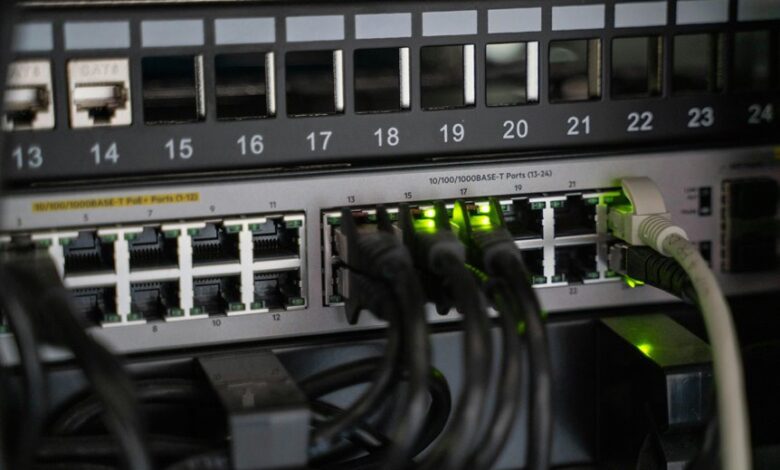
The Telecommunication Systems & Reliability Bureau plays a pivotal role in maintaining the integrity of communication networks. Through regulatory compliance and stakeholder collaboration, the Bureau aims to uphold service standards. Its responsibilities encompass system maintenance, performance monitoring, and technical support. However, challenges such as budget constraints and evolving technologies continuously test its adaptability. As the telecommunications landscape shifts, understanding the Bureau’s strategies for addressing these dynamics becomes essential for ensuring future reliability.
The Role of the Telecommunication Systems & Reliability Bureau
The Telecommunication Systems & Reliability Bureau plays a critical role in ensuring the integrity and dependability of communication networks across various platforms.
It facilitates regulatory compliance and fosters industry collaboration, essential for maintaining high standards of service.
Key Functions and Responsibilities
The key functions and responsibilities of telecommunication systems encompass system maintenance and support, as well as performance monitoring and analysis.
System maintenance ensures the infrastructure operates efficiently and reliably, addressing any issues promptly to minimize downtime.
Performance monitoring and analysis provide critical insights into system functionality, facilitating informed decision-making for continuous improvement.
System Maintenance and Support
Ensuring optimal performance of telecommunication systems relies heavily on effective system maintenance and support. Key functions include implementing regular system upgrades to enhance functionality and security.
Additionally, providing robust technical support ensures immediate resolution of issues, minimizing downtime. This proactive approach preserves system integrity, facilitates user satisfaction, and ultimately contributes to the overall reliability of telecommunication services in an expansive, dynamic environment.
Performance Monitoring and Analysis
Monitoring and analyzing performance within telecommunication systems is crucial for identifying inefficiencies and optimizing resource allocation.
Key responsibilities include the establishment of performance metrics and the utilization of data analytics to assess system functionality.
This analytical approach enables operators to make informed decisions, enhancing service quality and network reliability while ensuring that resources are allocated effectively to meet user demands and operational objectives.
Ensuring Quality and Efficiency in Communication Networks
Although various factors contribute to the performance of communication networks, maintaining quality and efficiency remains paramount for service providers. Implementing network optimization strategies and communication efficiency measures can significantly enhance performance, ensuring reliable connectivity.
| Strategy | Impact Level | Implementation Cost |
|---|---|---|
| Data Compression | High | Low |
| Load Balancing | Medium | Medium |
| Redundant Systems | High | High |
| Quality of Service (QoS) | High | Medium |
| Network Monitoring | Medium | Low |
Challenges Faced by the Bureau
Service providers must navigate a range of challenges that impact their ability to deliver reliable communication networks.
Key issues include budget constraints that limit investment in infrastructure and technology upgrades.
Additionally, stringent regulatory compliance requirements can hinder operational flexibility, complicating efforts to adapt to market demands.
These factors collectively pose significant obstacles to achieving optimal reliability and service quality in telecommunications.
Impact of Emerging Technologies on Reliability
As telecommunications evolve, the integration of emerging technologies significantly influences network reliability.
Key aspects include:
- Automation: Reduces human error, enhancing operational consistency.
- AI and Machine Learning: Predictive analytics improve fault detection and recovery times.
- Cloud Computing: Offers scalable resources, ensuring continuity during outages.
These technology integration strategies contribute to reliability enhancement, allowing networks to adapt and maintain performance in increasingly complex environments.
Future Directions for Telecommunication Systems
The future of telecommunication systems is poised to be significantly influenced by emerging technologies, which will reshape both network infrastructures and communication standards.
As advancements in areas such as artificial intelligence and quantum computing progress, they will necessitate a reevaluation of existing frameworks to enhance reliability and efficiency.
Furthermore, the adoption of 5G and beyond will drive the evolution of telecommunications, demanding new protocols and standards to accommodate increased data traffic and connectivity.
Emerging Technologies Impact
While advancements in emerging technologies are reshaping various sectors, their impact on telecommunication systems is particularly profound.
Key areas of influence include:
- 5G advancements enabling faster data transmission
- IoT integration enhancing connectivity in smart cities
- AI applications improving data analytics and cybersecurity enhancements
These innovations facilitate cloud computing and network virtualization, propelling the evolution of telecommunication infrastructure towards unprecedented efficiency and security.
Network Infrastructure Evolution
Emerging technologies are driving significant transformations in telecommunication systems, paving the way for a new era of network infrastructure evolution.
This evolution necessitates strategic network upgrades and substantial infrastructure investments to accommodate increasing data demands and enhance connectivity.
As organizations adapt to these changes, the focus on optimizing reliability and performance becomes paramount, ensuring that systems are robust and capable of meeting future challenges effectively.
Future Communication Standards
As telecommunications continue to evolve, future communication standards are expected to play a critical role in shaping the landscape of connectivity and data transmission.
Essential advancements include:
- 5G advancements enhancing IoT integration
- Quantum communication ensuring data privacy
- Satellite networks for global coverage
Cybersecurity measures and AI optimization will also drive standardization efforts, ensuring robust, reliable communication systems for all users.
Conclusion
In conclusion, the Telecommunication Systems & Reliability Bureau stands as a pivotal entity in maintaining the integrity of communication networks. As the adage goes, “A stitch in time saves nine,” emphasizing the importance of proactive measures in system maintenance and performance monitoring. Despite ongoing challenges, the Bureau’s commitment to adapting to emerging technologies ensures that service quality and operational efficiency remain paramount. The future of telecommunications will depend on the Bureau’s ability to navigate these complexities effectively.